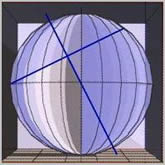
The Ark: A Vessel of Power
The Ark of the Covenant — Ancient Blueprint or Lost Technology?
A Mysterious Artifact
The Ark of the Covenant, described in Exodus 25–28, was a gold-covered acacia wood box
(2.5 × 1.5 × 1.5 cubits) with a mercy seat and cherubim on top.
It held immense power in biblical accounts.
What if it wasn't just a religious relic — but an advanced device from a lost era?
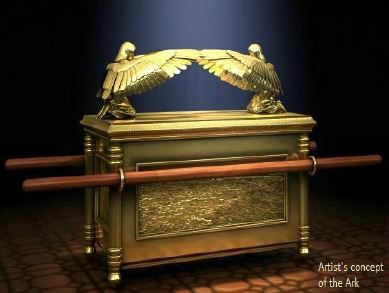
Construction steps
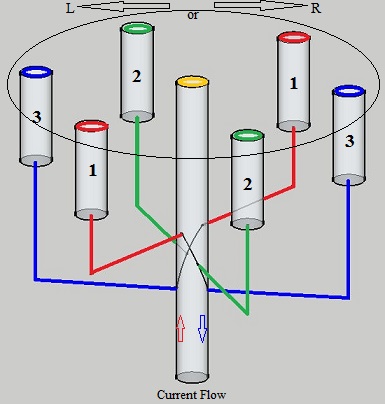
By following the construction steps in Exodus chapters 25-28, you soon realize that within the box next
to the actual Ark machine, there was a battery compartment, and that the staves are part of the machine.
It is important to pay attention to amounts, shapes, dimensions, and materials that represent certain
properties. Magnetic vs. non-magnetic and electrically conductive materials such as gold and iron. For
example, the mercy seat consisting of cherubims is made of pure gold, which is electrically conductive but
non-magnetic like copper, and the boards made of chittim wood represent iron i.e. magnetic. Then the
staves, insulation skins and wiring, curtain, loops, taches, 48 boards (magnets), and 2 extra wires and hooks
for the battery, etc.
The Ark pattern occurs in various places in the Bible such as Revelation 4:1-11, Ezekiel 1 etc.
If you followed the instructions exactly, the result should look like this:
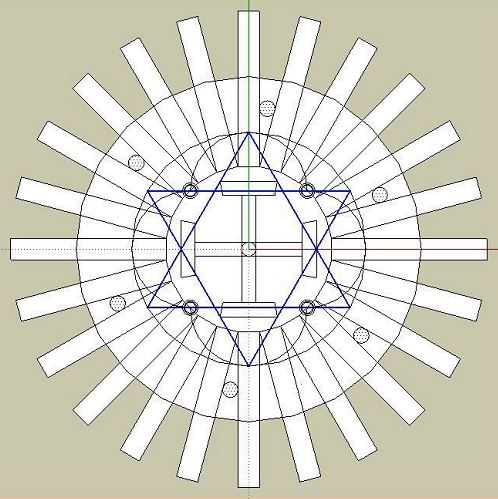
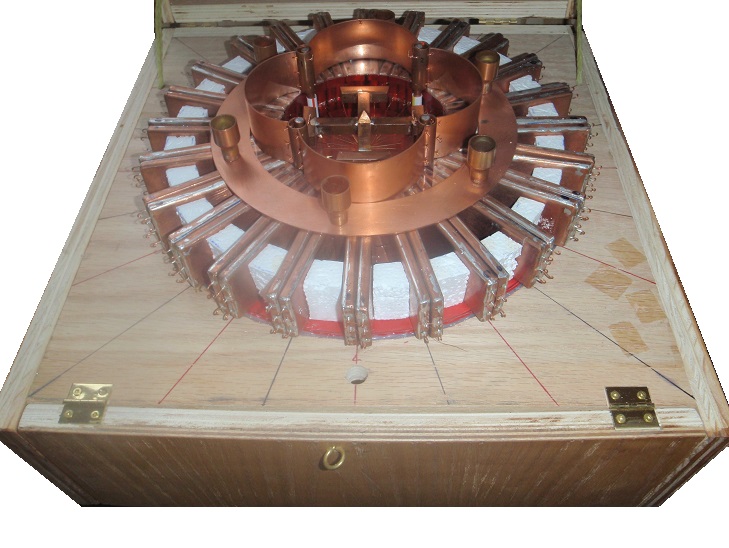
Levitation and Power
Biblical stories show the Ark moving heavy stones or causing earthquakes. Visions in Ezekiel describe
wheeled, winged structures — perhaps electromagnetic levitation.
Modern examples like Edward Leedskalnin’s Coral Castle (moving massive stones with simple tools) and
party levitation tricks echo this.
Nikola Tesla said: "The only force you need to counter is the electromagnetic force."
No moving parts — just balanced fields.
Patterns and Prophecy
The Ark's design repeats in Revelation (throne with elders) and Ezekiel (living creatures).
It vanished around Jeremiah's time but is prophesied to return (Revelation 11:19).
Timelines place us near a possible revelation.
Coins and Hidden Knowledge
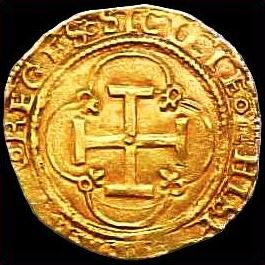
Old coins (doubloons) show similar Ark patterns — suggesting the design was known and valued long ago.
Connections to Oak Island or ancient sites hint at buried secrets.
Open Wonder
The Ark might be more than myth — a blend of geometry, electromagnetism, and ancient engineering.
These ideas are speculative — patterns inviting thought, not proven facts.
More clues
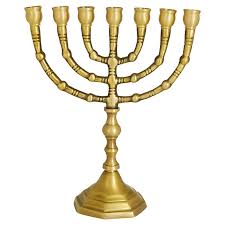
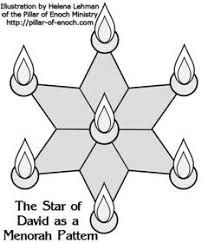
Battery and wires

Current positive and negative

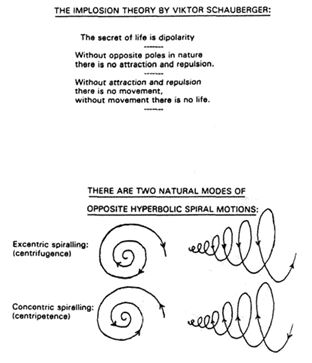
Counter clockwise rotation and lift
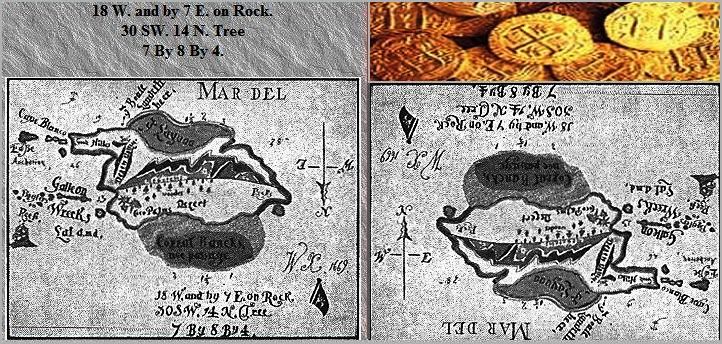
What do you see in the blueprint?