A Cubical Universe: Unveiling a Geometric Cosmos
A Cubical Universe — Exploring a Geometric Model
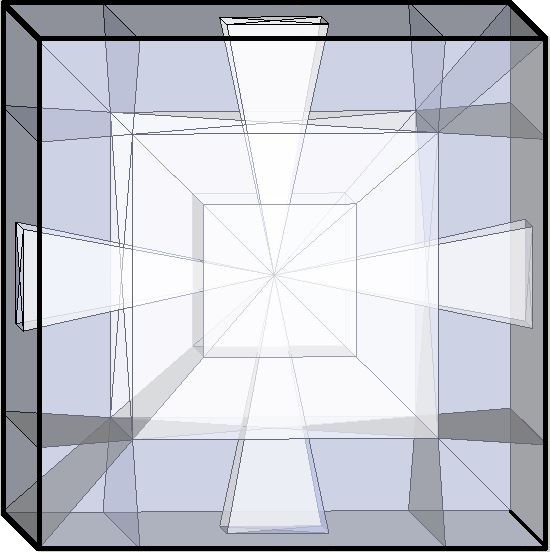
The cube is the most stable geometric shape — all sides equal, all angles 90 degrees.
This page explores the possibility that reality is structured as an infinite grid of tiny cubes,
with irrational numbers like π (≈3.14159...), e (≈2.718...), and φ (golden ratio ≈1.618...) helping
to define how they connect. These numbers appear in nature and math, perhaps as keys to the grid
at the smallest scale — the Planck length (≈1.616 × 10⁻³⁵ meters), physics' tiniest unit.
Primes as the Cube Frame
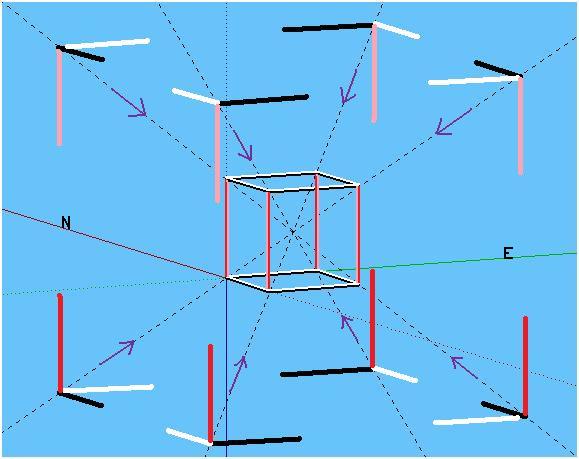
Primes (1, 3, 5, 7...) could form the strong edges and corners of the cubes (a cube has 12 edges,
mirrored for symmetry).
Patterns in the first 150 primes show repeating rhythms, echoing the cube's structure.
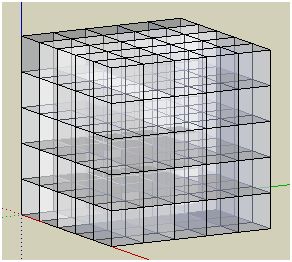
Primes spaced evenly
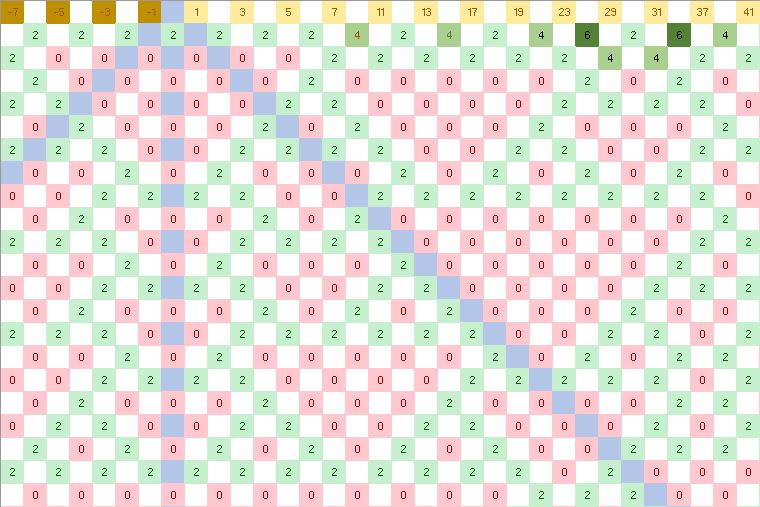
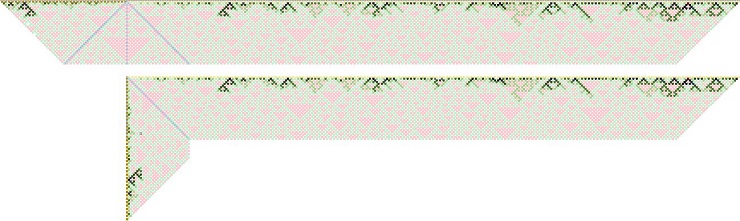
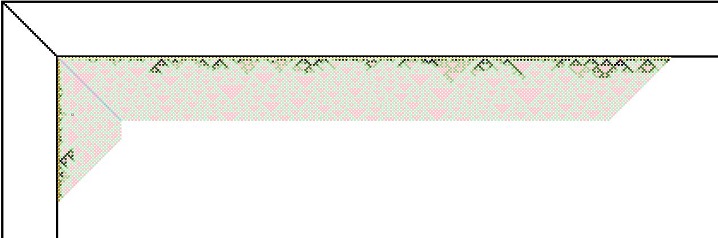
Golden Ratio and Cube-Sphere Harmony
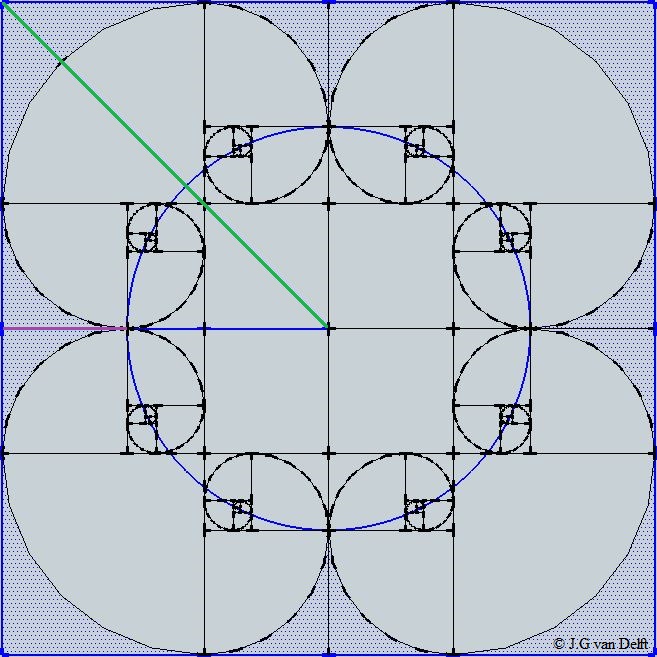
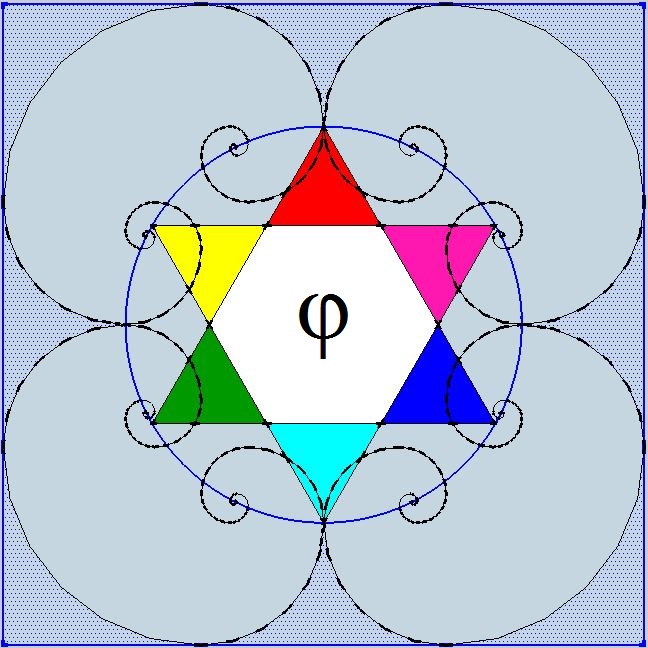
The golden ratio φ creates self-similar spirals. Eight golden rectangles can tile one cube face, leading
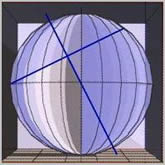
to spirals around a sphere inscribed in the cube.
This blends straight lines (cube stability) with curves (sphere perfection and spiral growth).
Flat Universe as Projection
The observable realm appears "flat" (large triangle angles sum to 180°), with average density around
6 hydrogen atoms per cubic meter, they say.
But flatness might be a holographic projection from a cubic-spherical structure — like 3D from 2D.
Changing density could curve it spherical or hyperbolic.
Open Ideas
This cubic model might link to electromagnetic fields (forces at cube corners) or balanced designs in nature.
These are open ideas — patterns for exploration, not proven theory.
Numbers and geometry connect everything in surprising ways.